
Master math to save the galaxy.
An adventure-puzzle video game. Explore a city filled with strange mysteries, where regular kids do extraordinary things.
An adventure-puzzle video game. Explore a city filled with strange mysteries, where regular kids do extraordinary things.
Get the demo first. Vote on the math we add next. Free.
The Number Heroes demo lands in December. The list plays it first.
We just posted a letter to your inbox. Open it and press Yes, count me in.
Nothing after a minute? Peek in Spam or Promotions. Wrong address?
Grown-ups only · one confirmation email · unsubscribe anytime.
Welcome to Sumville
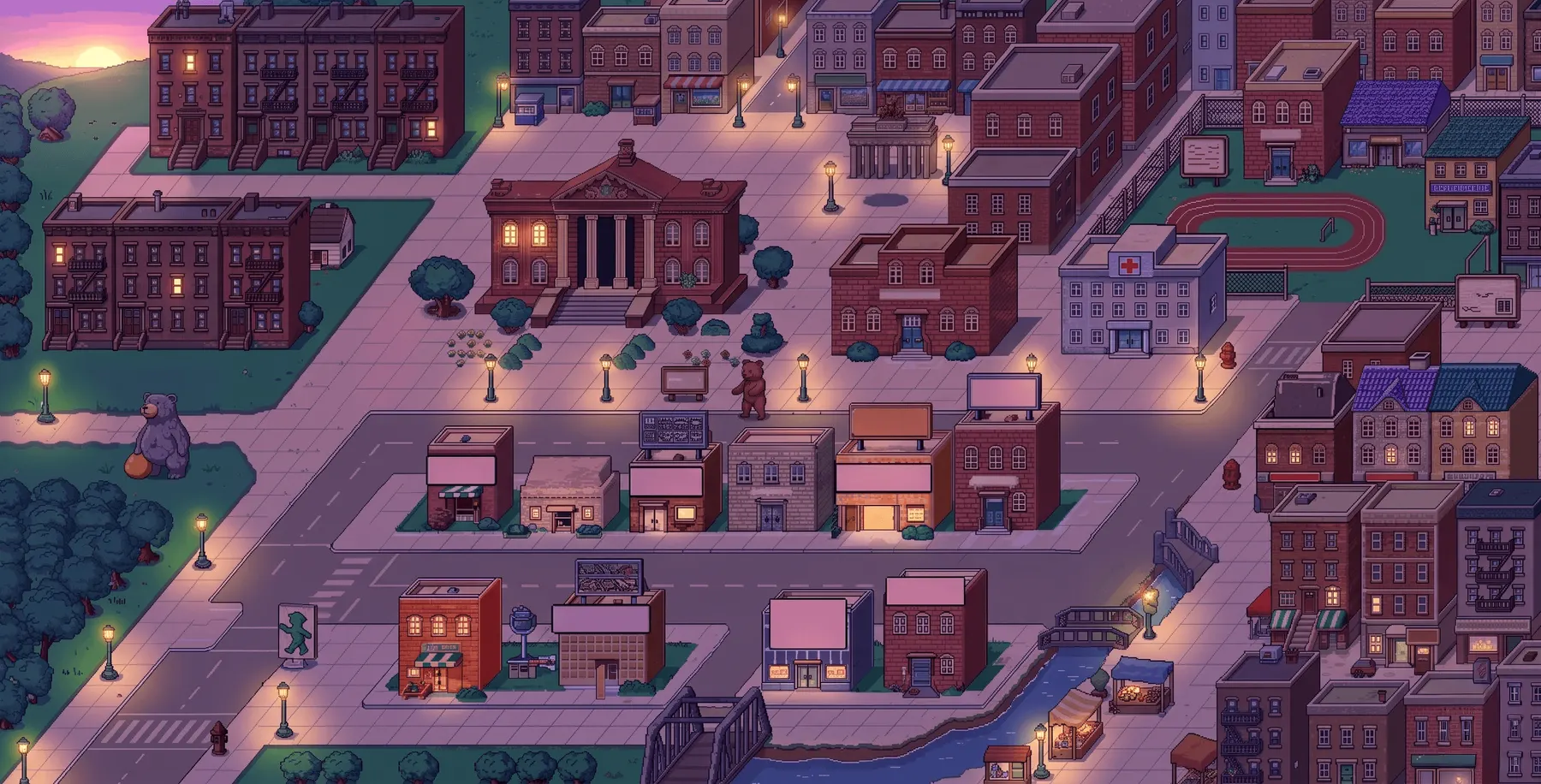
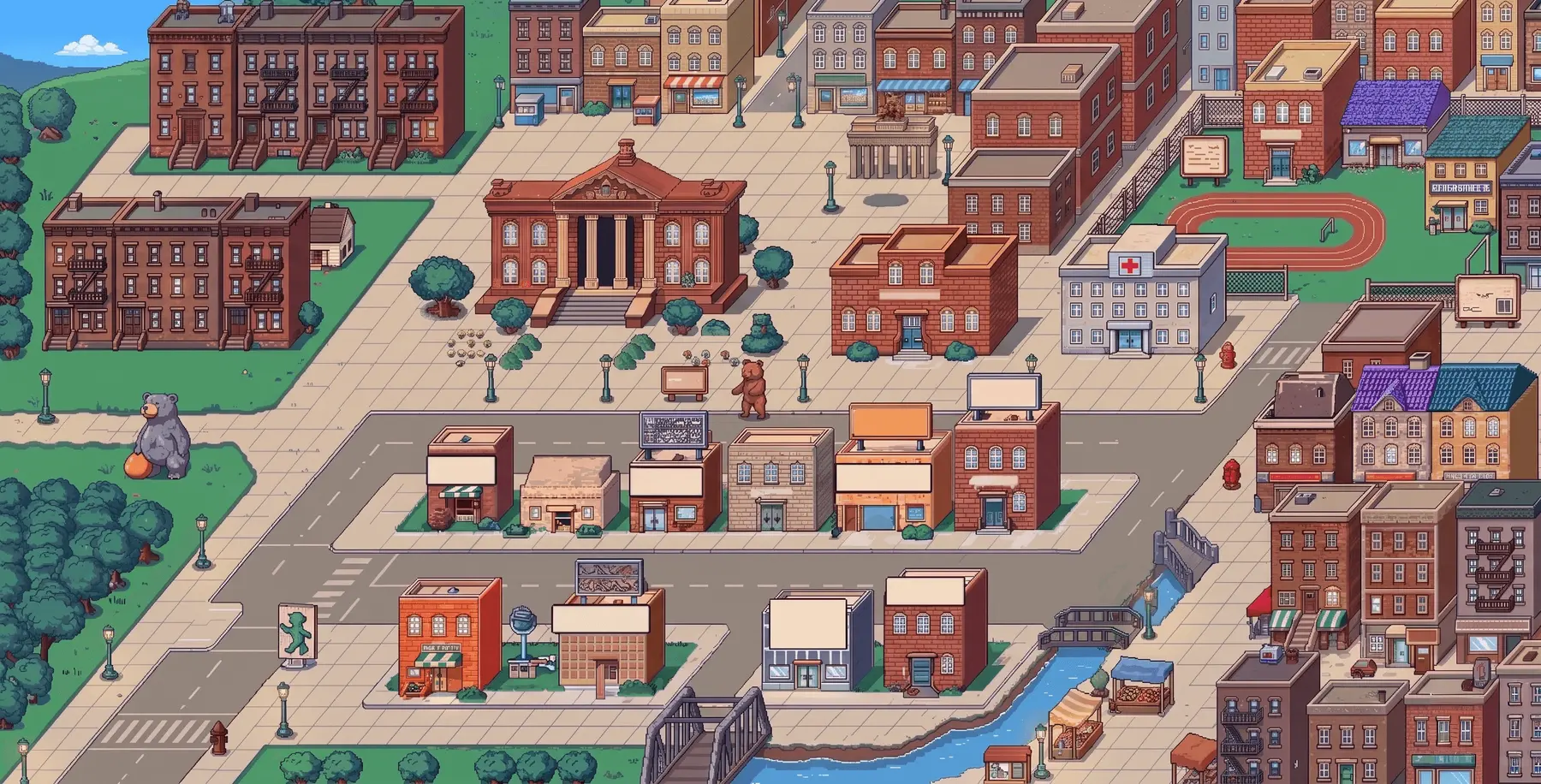
From the outside, Sumville looks like any city. Coffee shops. Cargo bikes. A guy who runs a key shop and definitely isn't a wizard. But the bakery's been giving out the wrong change for weeks. The bus routes don't quite add up. Yesterday, a kid's homework looked back at him. It's up to the kids to save the world.
Welcome to Sumville: a strange little town where the numbers stopped behaving and math = superpowers.
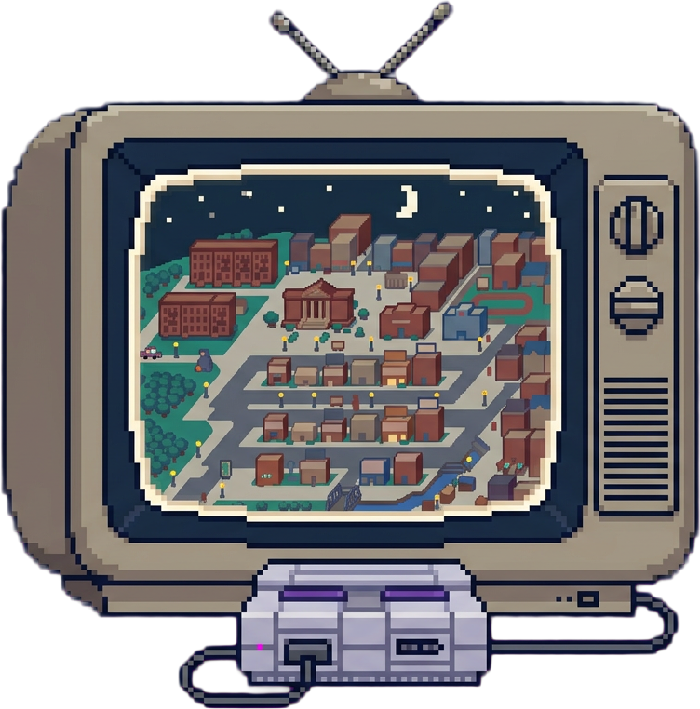
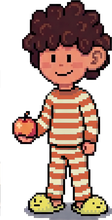
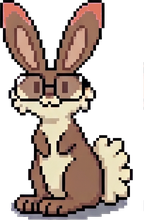
A game set in a fantastical 90s version of Berlin and New York, where a kid, a rabbit, a zen-master snail, a hip-hop chicken and a barista who isn't a wizard need to save the world. A story that starts in a bedroom and ends at the edge of the known universe.
!! side effects warning !!Kids will master math
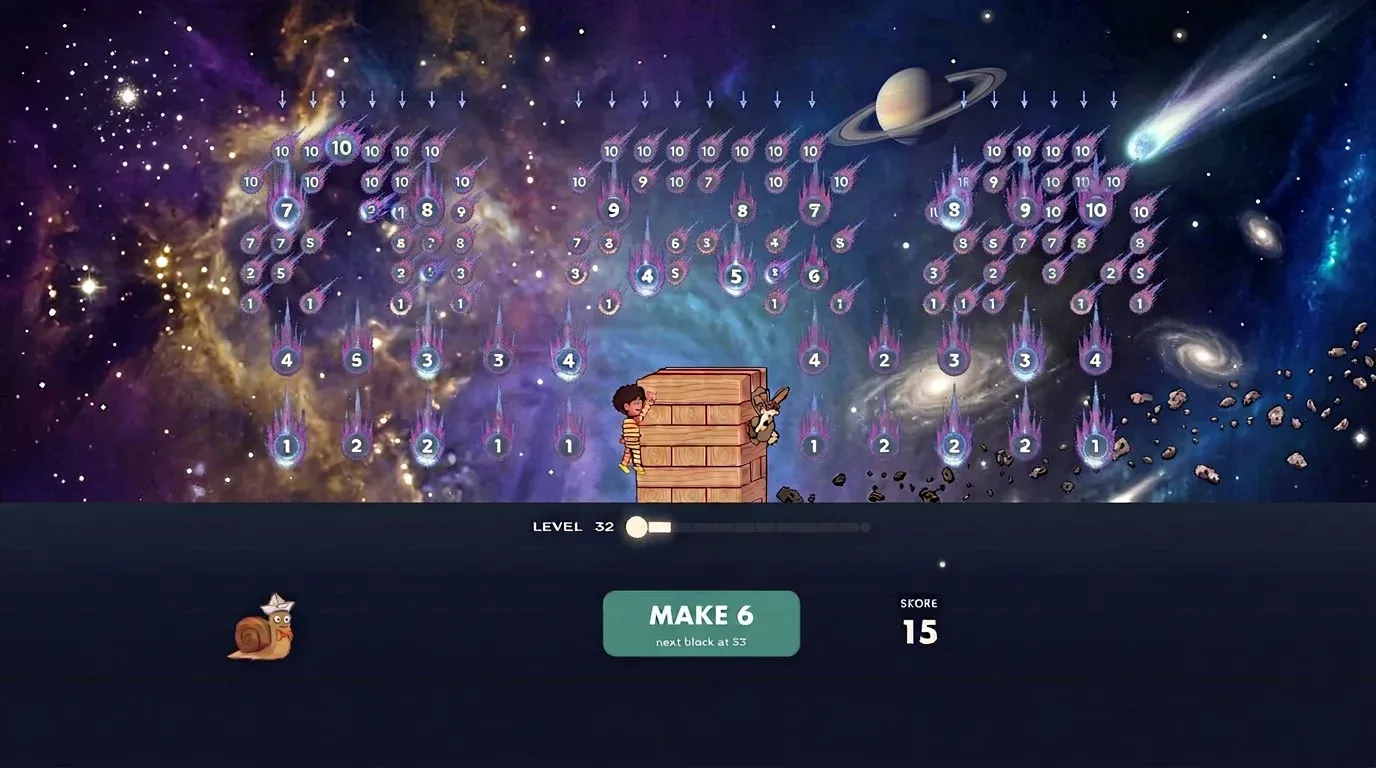
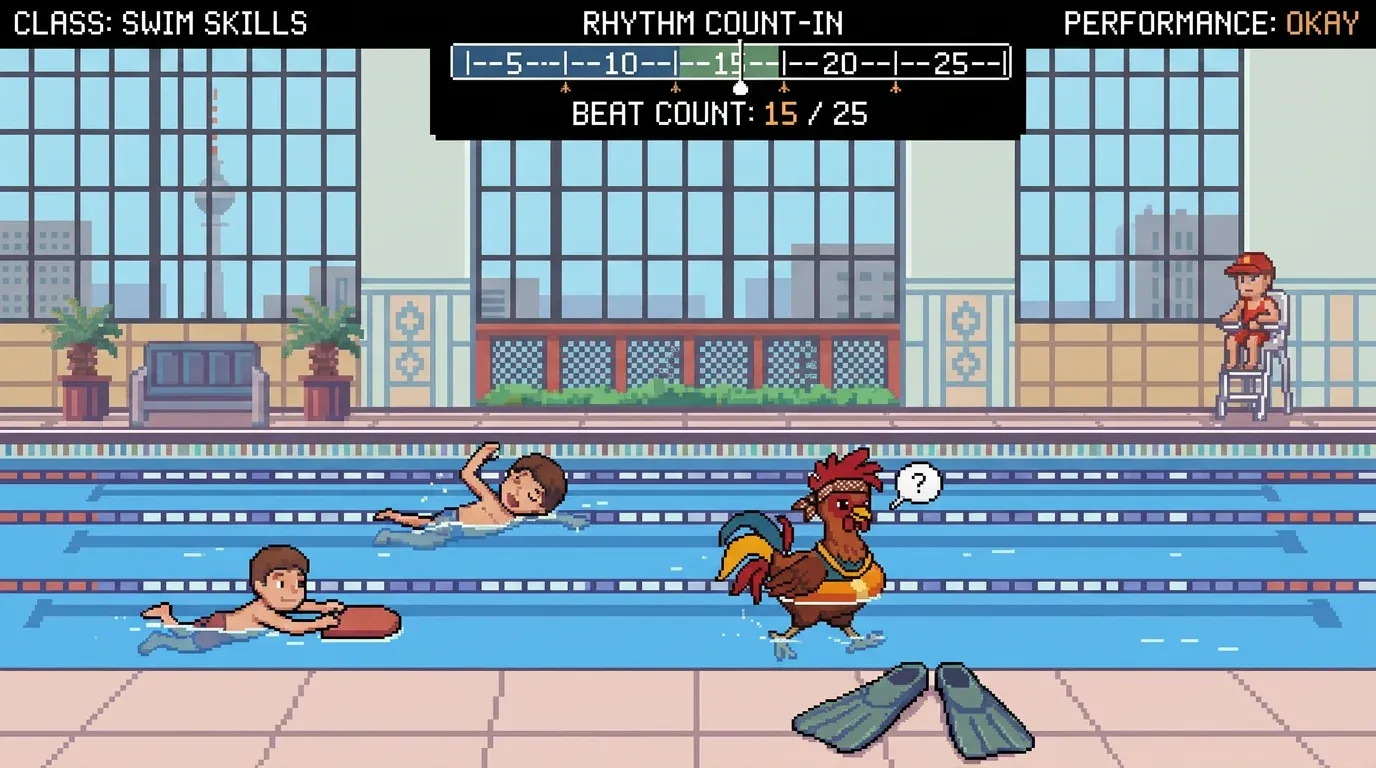
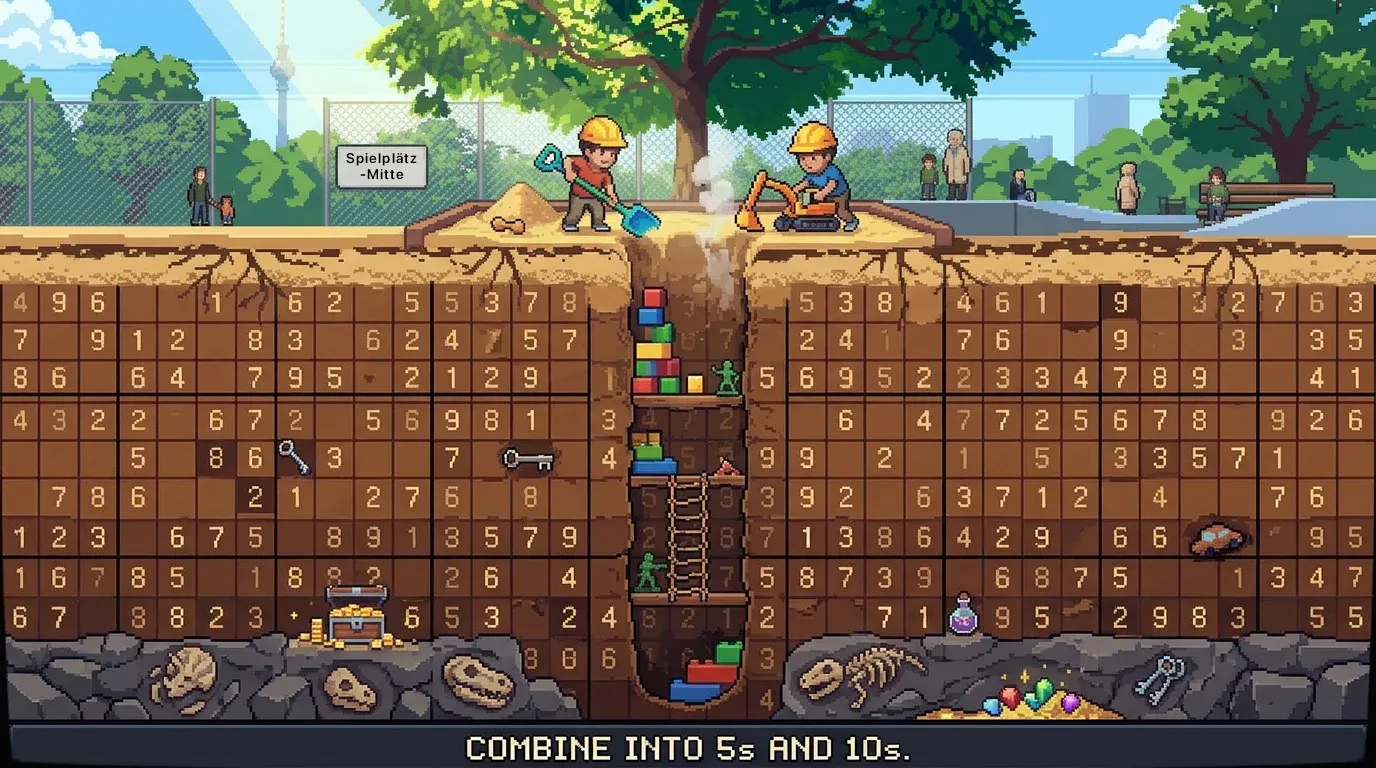
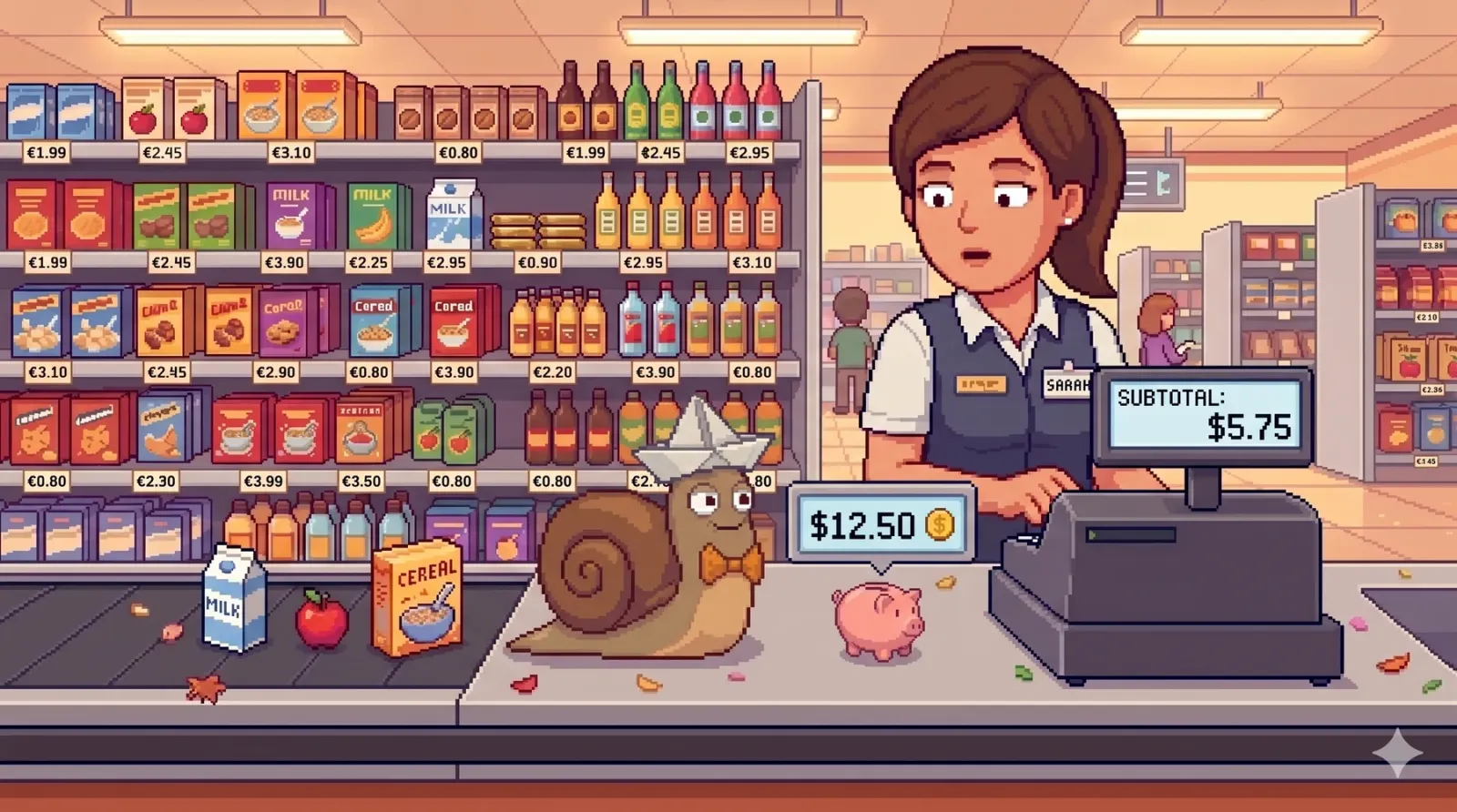
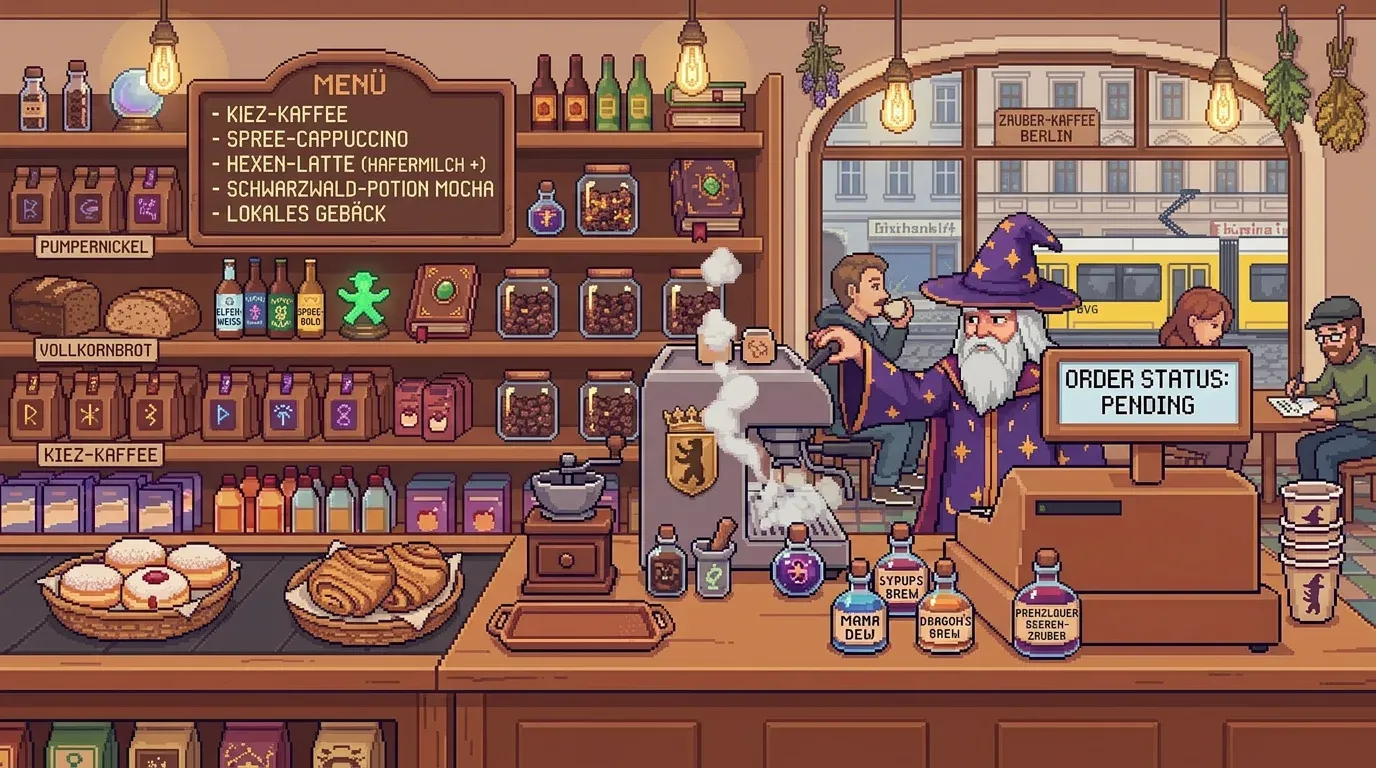
Not an educational game. A game that happens to teach.
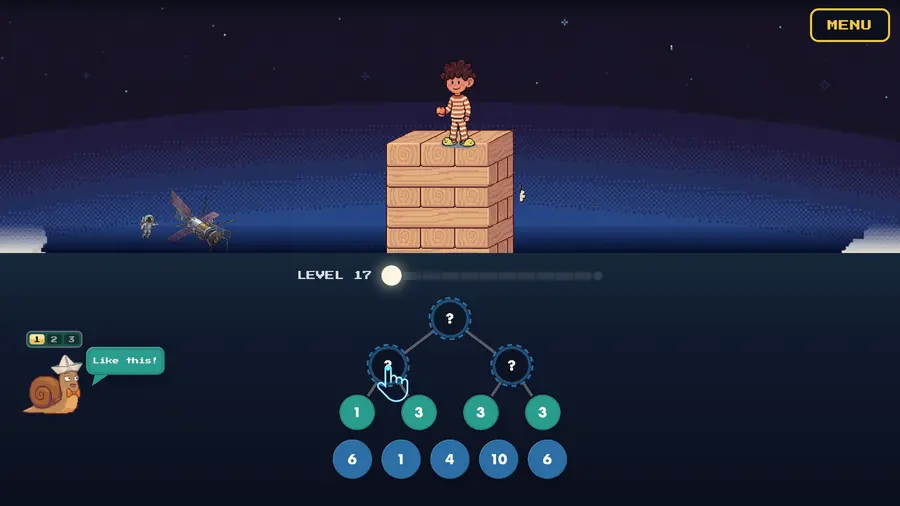
Imagine Stardew Valley or Undertale, but the farming mechanics teach place value, and the boss battles need multiplication strategies, not memorized times tables.
One level, “Make 10”, shown the three ways Singapore Math teaches it.
1 · Concrete
Seven counters sit on the ten-frame. The kid drags three more in and sees the frame fill.
2 · Pictorial
The same ten as a domino: seven dots on one side, three on the other.
3 · Abstract
7 + 3 = 10. The idea came first, the symbols last. That is why it sticks.
Math ideas become game mechanics.
Why we're making this
“Dad, it's cool, it's fun, and it teaches. We can do the same.”— my son, 6
When we couldn't find a decent math game, we built our own. Most kids' math apps are slot machines wearing cartoon costumes. So we set two strict rules for our game:
Game mechanics that reward imagination, storytelling and six-year-old humor, and none of the cheap gambling mechanics most kids' apps run on. I turn his sketches into the kind of indie game I grew up on: EarthBound, Stardew Valley, Undertale, Hollow Knight, Terraria.
Deep conceptual and visual understanding, not rote memorization. Levels build on each other, so it is a real journey, not a drill. By finishing the levels, your kid actually masters the math.
Where we are
 One of the top five projects from over 14,000 applications for Nas Daily's
Solopreneur Fellowship, with investment and a place in the accelerator.
One of the top five projects from over 14,000 applications for Nas Daily's
Solopreneur Fellowship, with investment and a place in the accelerator.
Free, in your browser
Free, in your browser · the math engine only, not the game · best on a tablet or laptop
Neighborhood Number Heroes is being developed by Studio Matchbox in Berlin: Eldad, a creative professional who grew up on EarthBound, Stardew Valley, Undertale, Hollow Knight and Terraria — and his co-founder, his six-year-old son, who draws the characters, invents the situations and decides what's funny. If it isn't fun, it doesn't go in. A father-son bonding project turned startup. We're supported by a highly talented group of Berlin-based artists who come from the worlds of film, art and music.
Imagine Stardew Valley or Undertale, but the farming mechanics teach place value, and the boss battles need multiplication strategies, not memorized times tables. Yes, it is real math: Singapore Math's Concrete–Pictorial–Abstract method: kids learn each topic with real objects first, then pictures, then numbers. Deep conceptual and visual understanding, not rote memorization — the kind of skills that hold up when the homework starts looking back.
For example, “Make 10”: seven counters on a ten-frame, three more to drag in, then 7 + 3 = 10. In the game the same idea becomes Meteor Invaders, where the meteors add up to the target.
in the game: Meteor Invaders
Our goal is to teach math without it feeling like one. Neighborhood Number Heroes is a pixel-art puzzle adventure first; the math is what the puzzles are made of. Learning happens through playing and mastering the mechanics, not by doing a digital version of the homework, which is what most educational games are. Learning math should feel as immersive, rewarding and story-driven as playing a great indie game.
The math prototype is free, in your browser, no account needed. Once we release the demo we will update on pricing.
Ages 5–10. Today's levels cover counting, number bonds and making ten — preschool to 2nd grade — and the math grows with the game toward 4th grade.
Yes. The math engine runs in the browser on a laptop, tablet or phone. The first load takes a minute on mobile data. A tablet or laptop is the nicest way to play.
English today. German is next, then Hebrew. The math itself has no language; the snail does.
No ads, no purchases, no “game over”, no timers. The game never asks a child for an email — the register above is for grown-ups, and it sends one confirmation email first.
“Dad, it's cool, it's fun, and it teaches. We can do the same.” That was my son, six, after hearing how small teams made Stardew Valley, Undertale, Hollow Knight and Terraria. He invents the stories, draws the characters, picks the bosses and decides what's funny. His dad builds what he approves. His standards are brutal.
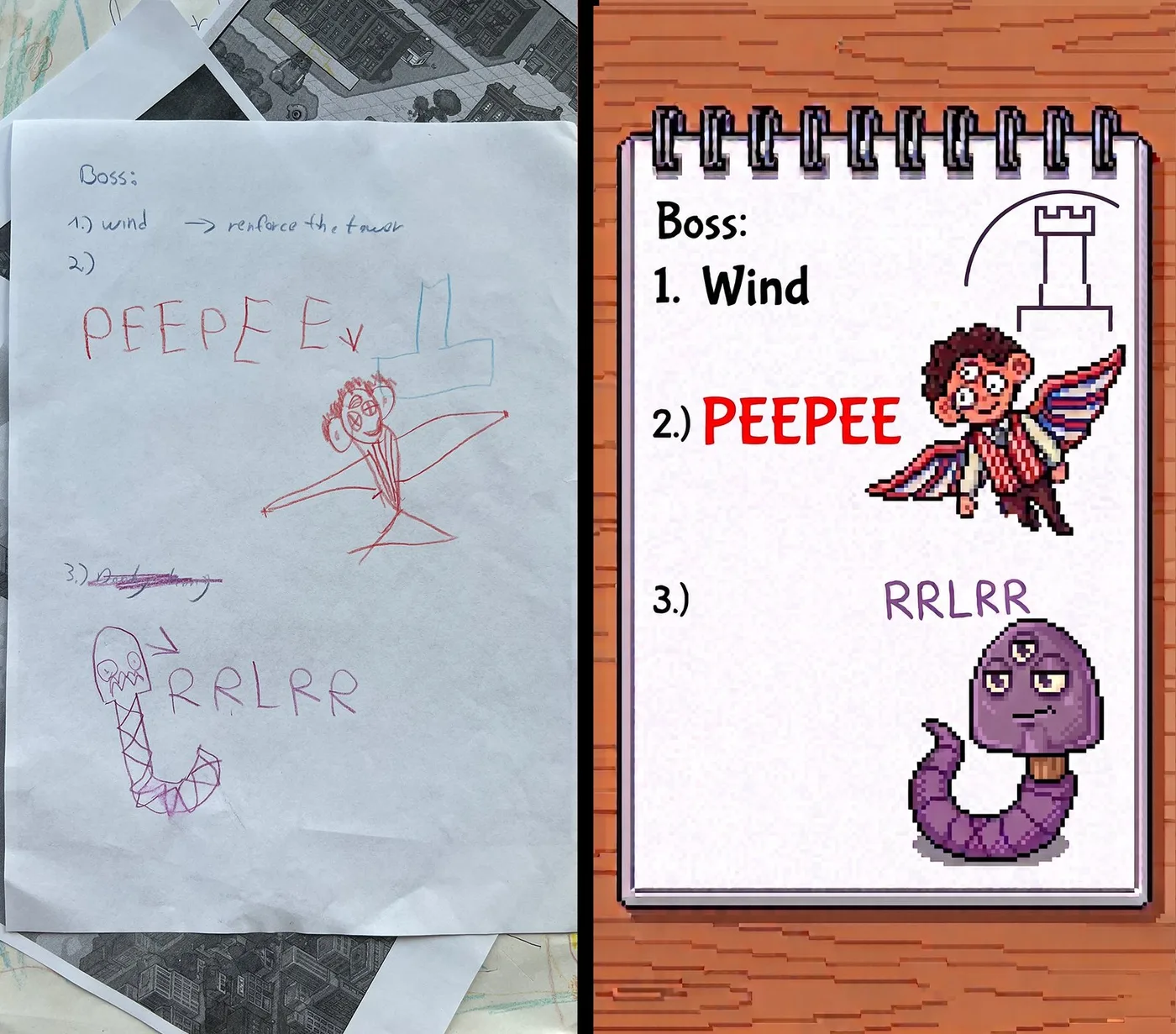
Snail Mail from Sumville is the one list. We also post the build on Instagram @number_heroes.
Write to [email protected]. A press kit with key art, screenshots and the one-page description is on its way.
Get the demo first. Vote on the math we add next. Free.
The Number Heroes demo lands in December. The list plays it first.
We just posted a letter to your inbox. Open it and press Yes, count me in.
Nothing after a minute? Peek in Spam or Promotions. Wrong address?
Grown-ups only. One confirmation email first. You can unsubscribe anytime — how we look after your data is in our privacy page.
Top 5 of 14,000 · Nas Daily Fellowship 2026 · 5,000+ families in 9 countries